



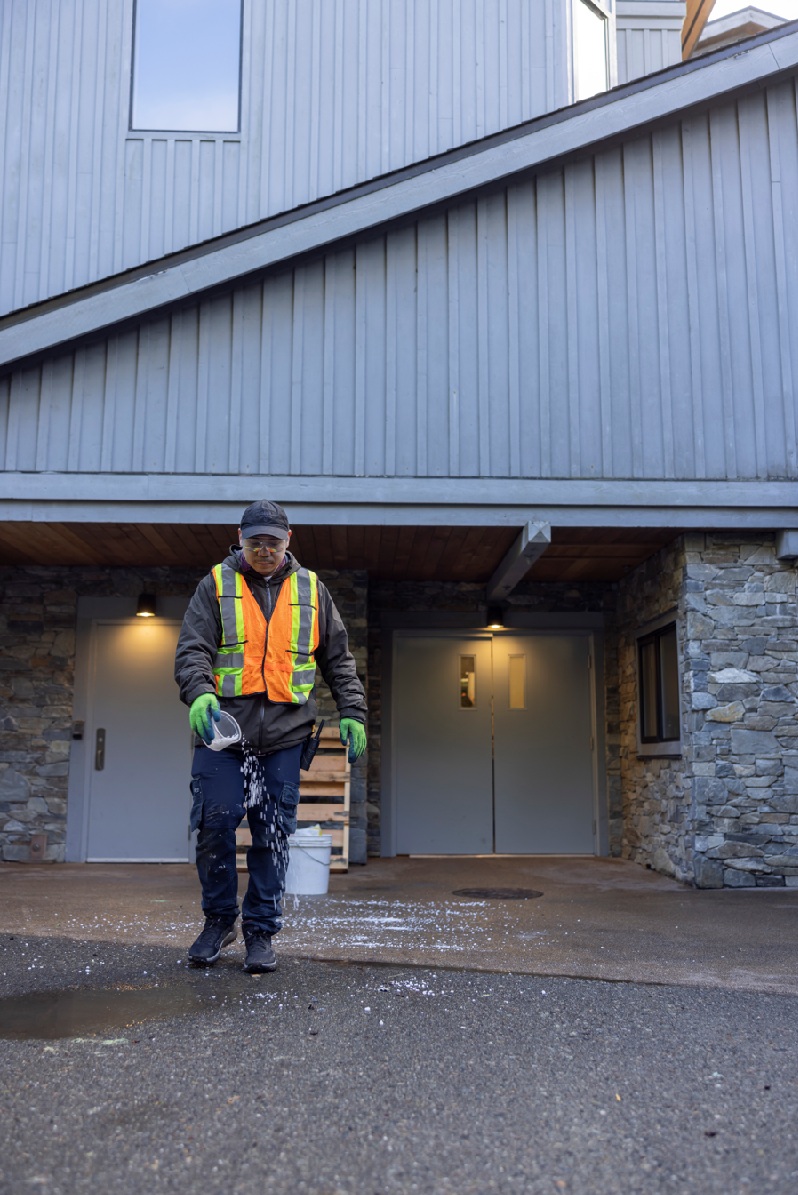
WorkSafeBC is urging employers and workers to take extra precautions against slips, trips, and falls as seasonal weather shifts increase the risk of workplace injuries. According to the agency, injuries from these incidents jump by 37 per cent between November and March.
These injuries result in an average of 500,000 lost workdays and more than $200 million in annual claim costs.
Tragically, between 2021 and 2025, 11 workers died due to falls on the same level, says WorkSafeBC.
These incidents are especially common in the service sector, with more than 50 per cent of accepted claims for slips, trips and falls from 2021 to 2025 coming from this sector.
Common hazards include wet or uneven surfaces, poor housekeeping, inadequate lighting, and obstacles in walkways.
“These incidents are among the most common workplace injuries in B.C. Employers play an important role in making sure workers can move through the workplace safely,” says Todd McDonald, Head of Prevention Services, WorkSafeBC.
“Regular inspections, prompt cleanup, good housekeeping practices, proper footwear, and involving workers in identifying risks can make a meaningful difference.”
Employers are encouraged to develop and implement a risk management plan that uses the hierarchy of controls to identify hazards, implement controls, and monitor workplace health and safety risks.
Some examples are:
- Install electrical wires, cords, and hoses where they won’t create tripping hazards.
- Install covers, drip pans, containers, or containment rooms to prevent the release of contaminants from equipment to the floor.
- Store all tools, equipment, and materials in designated locations.
- Determine the right footwear for workers based on the slip and trip hazards in the workplace.
WorkSafeBC notes that changing workplace conditions, including weather, mean risk assessments must be revisited regularly.




Comments