



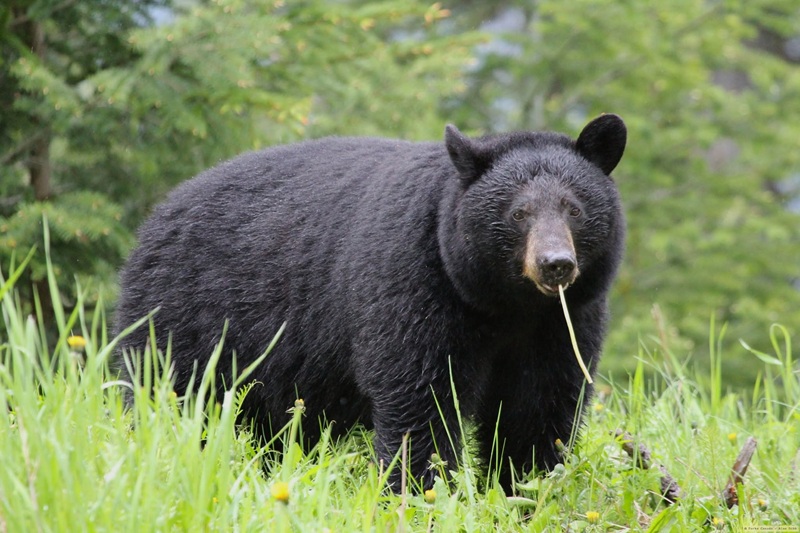
Visitors to Kootenay National Park are reminded that bears can still be active in winter, and it’s important to remain vigilant and prepared.
Parks Canada says bears do not enter a true, deep sleep hibernation, but rather undertake a unique physiological state called torpor.
During winter, a bear’s heart rate and metabolism slow down, with their body temperature dropping slightly, and it wakes up and even leaves its den.
This means they don’t eat, drink, urinate or defecate for months. Instead, they recycle the waste products back into their bodies as proteins.
Kootenay National Park encourages all visitors to carry bear spray and know how to use it, make noise, and report any bear sightings.
More information about bear safety can be found at wildsafebc.com/species/black-bear/




Comments