



Content Warning: This article contains discussions of schizophrenia, psychosis, delusional thinking, and suicidal ideation.
If you or someone you love is in crisis, please reach out to the Mental Health Support Line at 310-6789 (no area code needed) or call or text 9-8-8.
Despite growing awareness, mental health stigma is still present in society, and the British Columbia Schizophrenia Society (BCSS) is aiming to change the narrative across Cranbrook.
May is Mental Health Awareness Month, and on Sunday (May 24), in recognition of Schizophrenia & Psychosis Awareness Day, landmarks across B.C. will be lit up in purple.
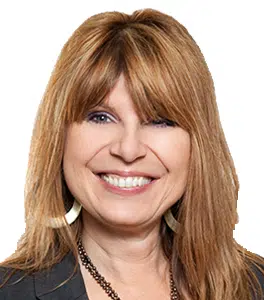
“The emphasis is on schizophrenia and psychosis. However, the stigma is attached to every kind of mental illness, so we are just trying to help people understand a little bit more about the fact that it could happen to anyone – it’s not a choice people make,” said Bonnie Spence-Vinge, Regional Manager of Interior Region with BCSS.
One in five Canadians is living with a mental illness, and about one million people in B.C. experience mental illness each year.
Approximately 1.8% of people in BC (102,000 people) live with a form of schizophrenia.
At least half of the population of people with schizophrenia do not seek services from health care systems.
According to BCSS, some of the common signs are delusions (such as thinking others are trying to harm you), hallucinations (such as hearing voices or seeing things others cannot), and disorganized thinking and talking.
Early treatment is crucial as it can reduce symptoms, minimize the need for hospitalization, and help preserve brain function, social skills, and relationships.
“It’s a disease that crosses all cultures, all levels of education, all races, employment, income, male, female, and generations. It can hit anybody,” said Spence-Vinge.
She says support is available at no cost and recommends reaching out to your family doctor first, and if you don’t have one, attend a drop-in health clinic in town.
“We have a very active and very busy set of mental health services here in Cranbrook to support people who have mental illness or the beginnings of mental illness. “
BCSS provides free and confidential services supporting loved ones of individuals who are living with severe mental health illness, available virtually (phone, email or Zoom) or in person in Cranbrook.
“We offer family support groups; we provide one-on-one support. We help families with advocacy in terms of accessing services. We do a lot of public presentations, and we run education programs for families as well,” adds Spence-Vinge.
Every fourth Tuesday of the month, Spence-Vinge hosts a support group at the Cranbrook District Teachers Association Office.
If you would like help with accessing community services in Cranbrook, contact Bonnie Spence-Vinge directly here.
To read more about BCSS click here.
If you need mental health support, these resources are available 24/7:
- Kids Help Phone – 1-800-668-6868 or text CONNECT to 686868
- Interior Crisis Line Network – 1-888-353-2273 or 1-800-784-2433
(Crisis Response Teams can provide immediate support) - Suicide Crisis Helpline – Call or text 988
- KUU-US (Indigenous) Crisis Line – 1-800-588-8717
- Métis Crisis Line – 1-833-638-4722
Call 911 for urgent, immediate help.


Comments