



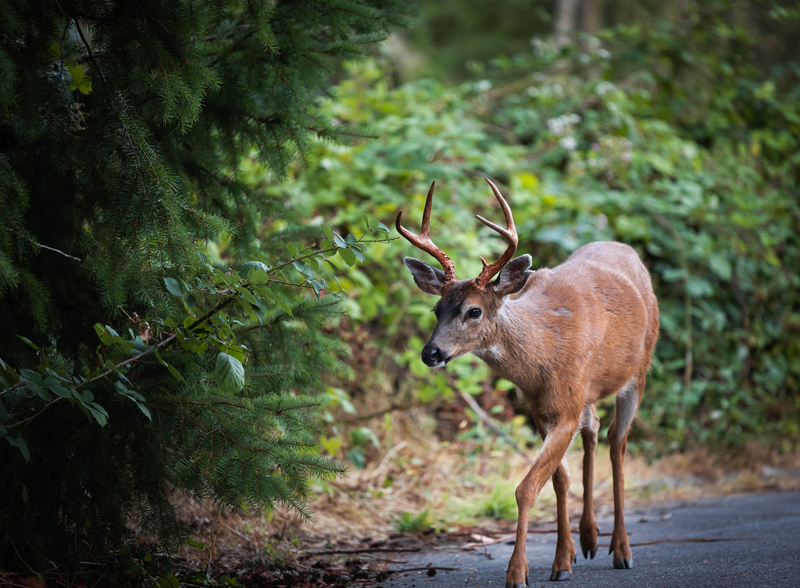
Drivers on East Kootenay highways are likely to encounter wildlife, from deer to elk, and the combination of animals and vehicles can be dangerous.
Collisions can be emotionally upsetting and costly. Even small animals can damage a vehicle, while larger ones pose a serious safety risk.
The B.C. government, in guidance last updated Aug. 31, 2026, outlines who to call depending on what you have seen.
What to do after a wildlife collision or spotting roadkill
If there are injuries, vehicle damage, or a carcass creating a safety hazard:
- Call the RCMP
- Report vehicle damage to your insurance company
If an animal is injured:
- Call the Conservation Officer Service at 1-877-952-7277
To have a carcass removed from a provincial highway:
- Contact the highway maintenance contractor for the area, or
- Report a highway or bridge problem through DriveBC
Tips to avoid wildlife collisions
- Watch the clock: Be extra cautious at dawn, dusk and night, when animals are most active.
- Scan the roadside: Follow posted speed limits and look along the ditches for movement or the reflection of eyes in your headlights.
- Slow down: Some animals, like deer, freeze in panic, while moose may run along the road.
- Expect more than one: Many animals travel in groups, so slow down until you are well past.
- Heed the signs: Wildlife warning signs are placed in high-risk areas based on real data.
- Don’t swerve: Swerving suddenly can lead to a more serious collision. Brake firmly and stay in your lane.
- Use high beams: When possible, they help you spot animals sooner.
More information can be found here.




Comments