



Columbia River-Revelstoke

1. What made you decide to run for MLA in this election?
2. What experience and skill set do you have that makes you a good choice for the role of MLA?
3. From your perspective, what are the biggest or most important challenges the riding or province faces that you would like to prioritize and address if elected?
4. What would you like voters to know about you so they can make an informed decision on election day?
5. Anything else you would like to add?
1. What made you decide to run for MLA in this election?
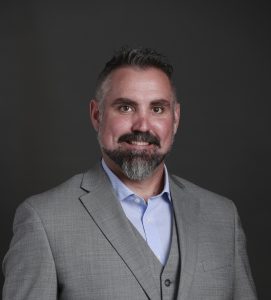
I’m putting my name forward because I love this job. It has been an honour to serve the fantastic people of Columbia River-Revelstoke over the past 2 years. This is a change election. I want to be able to represent my community in government to bring real change to this beautiful part of the province.
2. What experience and skill set do you have that makes you a good choice for the role of MLA?
Over the past 2 years, I’ve proven myself as a competent, senior MLA within the Conservative caucus. We have also achieved great results in opposition such as securing an additional $300,000 for Angel Flight East Kootenay.
3. From your perspective, what are the biggest or most important challenges the riding or province faces that you would like to prioritize and address if elected?
Equitable rural healthcare access has been and remains my top priority. Continuing to push for increased access to Alberta Health, pushing for our hard-working healthcare workers in Kimberley/Cranbrook to receive the fair pay they deserve through the Provincial Rural Retention Incentive, and providing resources for additional transportation and additional away-from-home supports to those who need to travel long distances for care remain my focuses.
4. What would you like voters to know about you so they can make an informed decision on election day?
I want voters to know that we have a real opportunity in Columbia River-Revelstoke to make change this election. For far too long, we’ve had MLA’s elected who served in opposition. Change is coming. I surely hope voters can understand the importance of having an MLA who serves in government and the changes they can provide to the region because of it.
5. Anything else you would like to add?
It has been an honour to serve. If re-elected I assure my constituents that I will continue to make myself available, work extremely hard for the riding, and serve all 35,000 people who live here to the absolute best of my abilities. Thank you for your support.
1. What made you decide to run for MLA in this election?
2. What experience and skill set do you have that makes you a good choice for the role of MLA?
3. From your perspective, what are the biggest or most important challenges the riding or province faces that you would like to prioritize and address if elected?
4. What would you like voters to know about you so they can make an informed decision on election day?
5. Anything else you would like to add?
Kootenay-Central
1. What made you decide to run for MLA in this election?
2. What experience and skill set do you have that makes you a good choice for the role of MLA?
3. From your perspective, what are the biggest or most important challenges the riding or province faces that you would like to prioritize and address if elected?
4. What would you like voters to know about you so they can make an informed decision on election day?
5. Anything else you would like to add?
Kootenay-Rockies
1. What made you decide to run for MLA in this election?
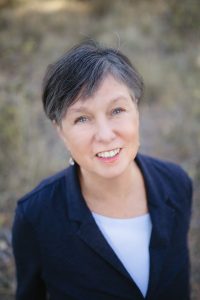
I’m running to be a strong voice for the people of Kootenay-Rockies, bringing decades of experience in local government, education and forestry to the role.
2. What experience and skill set do you have that makes you a good choice for the role of MLA?
During my 12 years as a Cranbrook city councillor, four years as a regional district director and service on the Kootenay East Regional Hospital Board, I’ve seen how collaboration across governments can deliver results for our communities. As a high school teacher for nearly 30 years, I understand the importance of strong public education, from early childhood through post-secondary. My earlier career in forestry also gave me a deep appreciation for our natural environment and the vital role resource industries play in our local and provincial economies. That’s why I support the BC NDP’s plan to increase fuel treatment and prescribed burns to help prevent fires.
3. From your perspective, what are the biggest or most important challenges the riding or province faces that you would like to prioritize and address if elected?
People across B.C. are facing rising costs, economic uncertainty from U.S. tariffs, climate change and growing demands on our healthcare system. The BC NDP is working to diversify our export markets, lower costs for families, build more homes and support a greener economy. We’re also strengthening health care by expanding East Kootenay Regional Hospital and recruiting more doctors, nurses and other healthcare workers across the province.
4. What would you like voters to know about you so they can make an informed decision on election day?
We can’t afford the Conservatives’ cuts, higher costs or chaos. They’ve said healthcare and education would “take the brunt” of their cuts, and their plans to roll back ICBC changes could double car insurance costs. Their approach also puts major projects at risk that communities are counting on. At a time when families need stability and reliable public services, that’s a risk we can’t afford.
5. Anything else you would like to add?
I want to bring my local government experience and understanding of issues important to Kootenay Rockies residents to the provincial table. I respectfully ask for your vote in this election.
1. What made you decide to run for MLA in this election?
2. What experience and skill set do you have that makes you a good choice for the role of MLA?
3. From your perspective, what are the biggest or most important challenges the riding or province faces that you would like to prioritize and address if elected?
4. What would you like voters to know about you so they can make an informed decision on election day?
5. Anything else you would like to add?
1. What made you decide to run for MLA in this election?
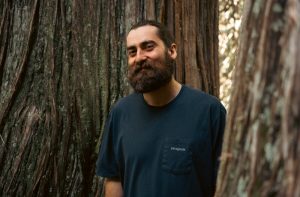
The reality for too many people today is untenable. When I hear young people like myself say they don’t feel it’s a good idea to start a family, for economic and ethical reasons given the state of the world, I find that really hard to bear. But it’s the reality too many people face. Young or old, we’ve watched BC’s ecosystems and local economies decline together. I decided to run because I’m tired of the status quo, and of the policies that keep it in place. It doesn’t have to be this way. We have the solutions to the challenges in front of us.
2. What experience and skill set do you have that makes you a good choice for the role of MLA?
As a tradesperson, guide and educator, I understand the reality on the ground and I can explain the solutions clearly. My career has taken me to some of the most remote and unforgiving places on earth, maintaining systems and infrastructure in hostile environments. Keeping essential systems running when conditions are hard is what our communities need too.
My work before this has been about building bridges toward common solutions, and that’s what I plan to do as a Green MLA. I believe British Columbians share the same goals and values. How we get there may differ. My work is to bring people together in our shared responsibility to the land and to our families.
3. From your perspective, what are the biggest or most important challenges the riding or province faces that you would like to prioritize and address if elected?
- Housing and cost of living. In February 2026 the Province shelved the Community Housing Fund, the program that builds non-profit rental. The BC Greens would restart it, with a goal of building and protecting 26,000 homes a year. We would also lift the freeze on $10-a-day child care, and open public grocery stores that keep a basket of core goods 30% below market prices.
- Town infrastructure. Fernie faces about $61 million in sewage plant, pump and pipe work, paid for by local ratepayers. Small towns need stable, long-term provincial funding to upgrade aging systems, not one-off grants.
- Wildfire. I’ll push for a law that prioritizes prevention through forest rehabilitation, with forestry workers on those crews. That doesn’t mean clearcutting our forests under the guise of wildfire protection. It means rehabilitating them in line with traditional ecological knowledge, through cultural burning, prescribed fire and respectful thinning. That work creates local jobs.
- Water. Drinking water, healthy ecosystems and food security should come before industrial water use. The BC Greens would set up regional watershed boards where First Nations, local governments and water users have real authority, and fund them through a $75 million a year Watershed Security Fund. Large industrial users would pay a fair price for water, while households, farms and small businesses are protected.
- Trades for the future. As homes move to heat pumps and BC moves to clean electricity, we need those trades trained here. I’ll push for refrigeration and air conditioning training in the Kootenays, and our platform keeps trades training tuition affordable.
4. What would you like voters to know about you so they can make an informed decision on election day?
I work for everyday people like myself. I work for the young and the old, for Indigenous and non-Indigenous people, because we’re all here together. I don’t work for billionaires like Jim Pattison. His company controls Canfor, which holds 53% of the public timber cut around Cranbrook. Concentration like this doesn’t serve our communities. Across BC, Canfor logged less than half the timber its licences allowed last year. Pattison’s fortune grew from US$9.3 billion in 2024 to US$12 billion this year, while Canfor is laying off about 300 people at its Prince George pulp mill. Billionaires increase their profits at the expense of families and the environment. I’ve travelled throughout this riding, and the East Kootenay needs a voice. The Greens are about local economies.
5. Anything else you would like to add?
The BC Greens’ platform is costed. It adds $9.28 billion a year for housing, child care, health care, schools, transit and lower grocery costs. It’s paid for by a tax on family wealth over $50 million, by collecting the full 50% of oil and gas revenue British Columbians were promised, and by large industrial users paying a fair price for our water. No British Columbian who works for an income will pay a single dollar more in tax. Advance voting runs October 16 to 21. Election day is Saturday, October 24.
1. What made you decide to run for MLA in this election?
2. What experience and skill set do you have that makes you a good choice for the role of MLA?
3. From your perspective, what are the biggest or most important challenges the riding or province faces that you would like to prioritize and address if elected?
4. What would you like voters to know about you so they can make an informed decision on election day?
5. Anything else you would like to add?