



Experts from a range of fields have recently looked to tackle how to keep wildlife in the Southern Interior away from B.C. roads.
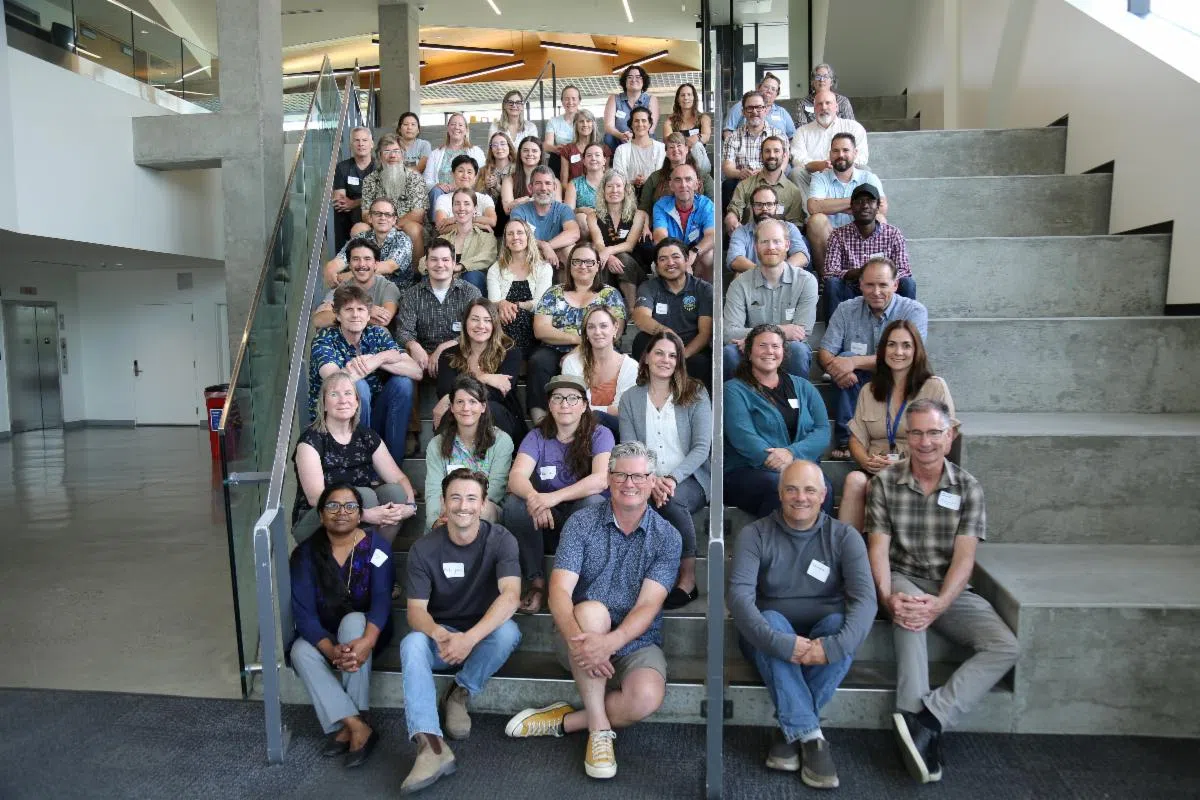
From June 11 to 13, representatives from government agencies, Indigenous communities and conservation groups met up for the Crossings & Corridors Forum in Kelowna.
Forty-five participants shared ideas on how to help wildlife find food, reproduce, and adapt through the Southern Interior without losing their homes. In the East Kootenay, those ideas might look like the Radium Overpass for bighorn sheep, clearing underpasses for badger crossings and crossing structures on Highway 3 in the Elk Valley.
“It’s all the habitats that then connect those crossing structures to mountainous regions or upland habitats or perhaps wetlands, dependent on seasonal requirements of animals or where they might need to move on the landscape,” said Juliet Craig, Director of Strategic Priorities with the Kootenay Conservation Program (KCP). “This connectivity is what they need to survive and thrive.”
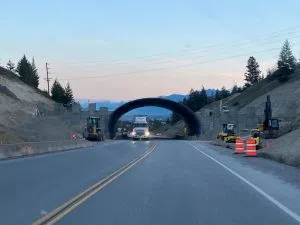
Wildlife overpass under construction on Highway 93 just south of Radium Hot Springs, BC, to help prevent collisions with bighorn sheep. | Source: TNCC
According to reports from Reconnecting the Rockies, there are over 300 reported wildlife-vehicle crashes with large mammals each year between Hosmer, near Fernie, and Rock Creek in Alberta. The annual cost of these crashes, in terms of injuries and damage, is roughly $2.8 million.
The Southern Interior Crossings & Corridors Forum, supported by regional conservation groups like the KCP, Thompson-Nicola Conservation Collaborative and Okanagan Collaborative Conservation Program, was held at the University of BC’s Okanagan campus.




Comments